The Question Everyone Keeps Asking
If you spend any time in peptide forums or Reddit communities, you've probably seen this question pop up more than once: "Can I get a tattoo while on GHK-Cu?"
It's a fair concern. GHK-Cu is known for its effects on skin - boosting collagen, improving elastin production, and promoting wound healing. Sounds great for tattoo aftercare, right? But there's a flip side people worry about.
The main concerns we kept seeing:
Nobody seemed to have a definitive answer. Lots of theories, not much real experience. So we decided to just... find out.
Our Unofficial Office Experiment
One of our team members had been planning a large back piece for months. He'd also been running GHK-Cu for about six weeks at that point - mostly for general skin health and some lingering elbow issues. For the sake of this blog, let's call him John.
When John mentioned his upcoming tattoo appointment, someone joked "guess you'll be our guinea pig." And honestly? He was curious too.
John's setup going into the session:
He didn't stop the GHK-Cu before the session. That was the whole point - we wanted to see what would actually happen, not play it safe.
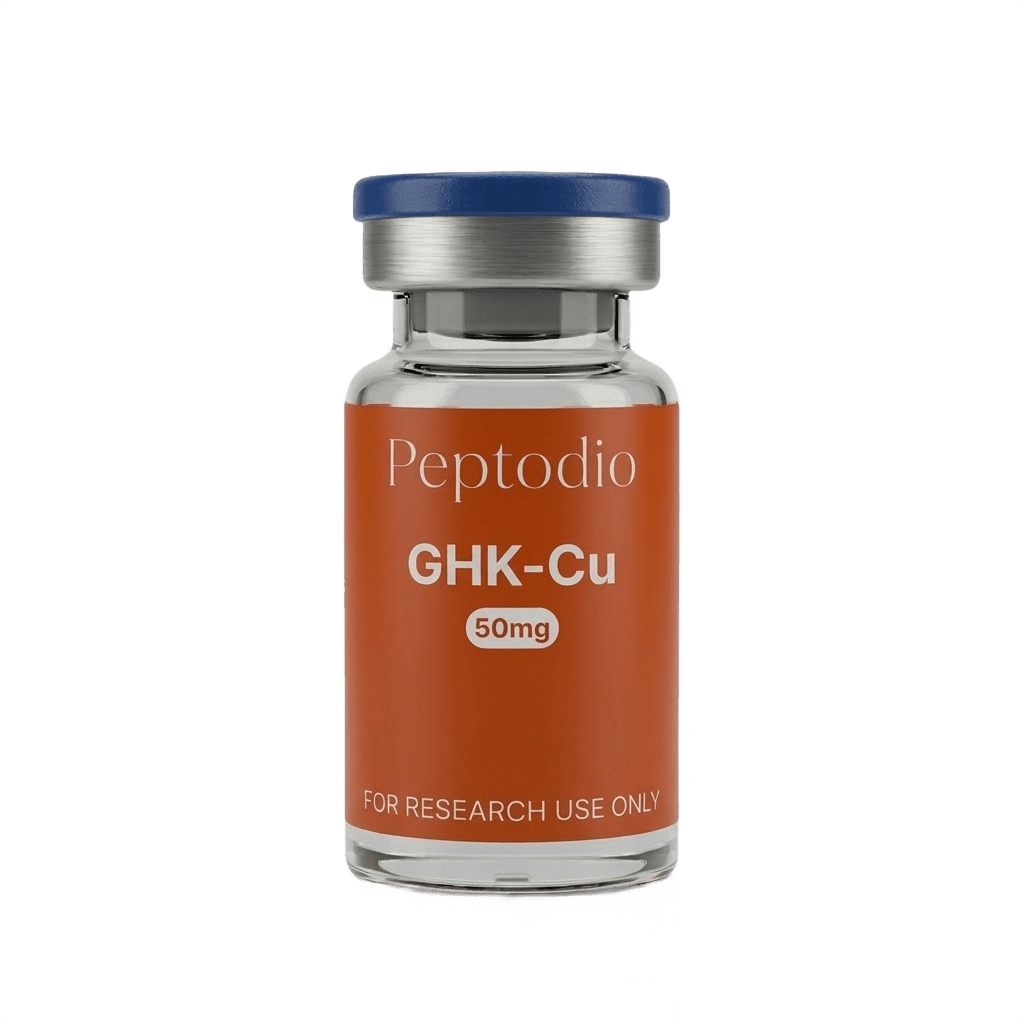
GHK-Cu
50mg • 99%+ Purity
$27.99
In Stock
The Session: What John Noticed
Here's where it gets interesting. I talked to John right after and then again over the following weeks.
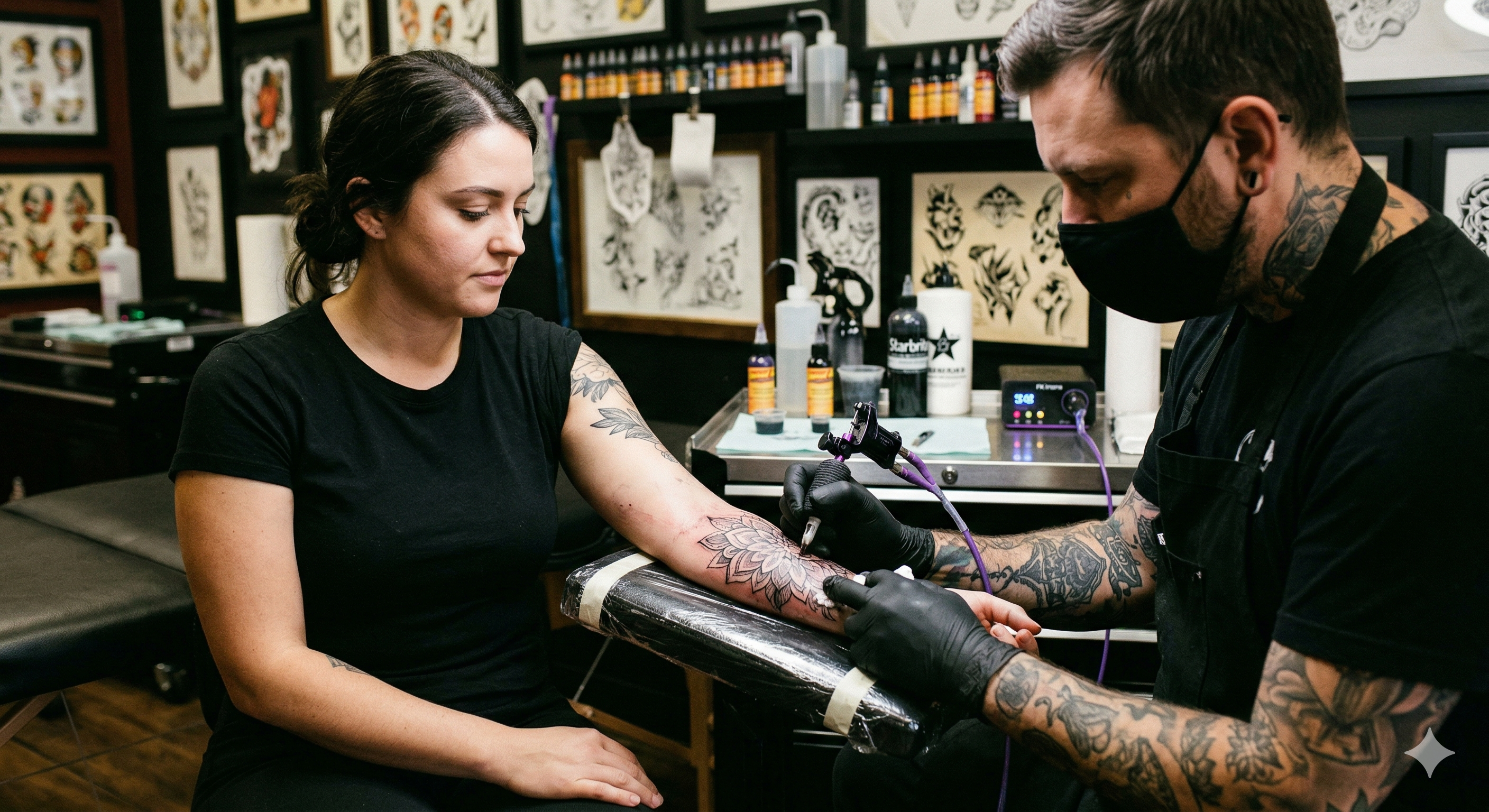
During the 7-hour session:
The bleeding was... normal. John specifically asked his artist about it halfway through, and the response was basically "same as your other pieces, maybe slightly less actually." No excessive bleeding. No weird oozing. The ink was going in and staying in.
John did mention his skin felt "different" - a bit more resilient, if that makes sense. His artist commented that the skin was taking the ink well, with good saturation on the first pass in most areas. Whether that's the GHK-Cu or just John's skin that day, who knows.
Pain levels: About what he expected. Maybe slightly less irritation toward the end of the session compared to his sleeve (which was done without any peptides), but that's subjective and could be a hundred different factors.
No unusual swelling during the session. No signs that the ink was being pushed out or dispersed weirdly.
The Healing Process: Week by Week
This is where John was really paying attention. He kept his GHK-Cu protocol going through the entire healing process.
Days 1-3:
Standard tattoo stuff. Redness, some swelling, that hot feeling around the fresh ink. John said it looked pretty much identical to his previous tattoos at this stage. Maybe slightly less "angry" looking, but again - hard to compare objectively.
He followed his usual aftercare: gentle wash, thin layer of unscented lotion, no picking at anything.
Days 4-7:
Here's where he started noticing differences. The peeling phase started around day 4 - pretty normal timing. But the peeling itself was... lighter? Less dramatic flaking compared to his sleeve.
The itching was there but manageable. John said his sleeve had him going crazy around day 5-6, but this time it was more of a mild annoyance.
Week 2:
By day 10, most of the peeling was done. That seemed faster than his previous experiences. The tattoo underneath looked solid - good color saturation, crisp lines, no patchy areas where ink might have fallen out.
Week 3-4:
Fully healed by the end of week 3. John's sleeve took closer to 4-5 weeks to feel completely settled. His artist confirmed at a check-in that everything looked locked in properly.
The Verdict: Did GHK-Cu Help, Hurt, or Do Nothing?
Based on John's experience - and this is one person, so take it for what it is - the GHK-Cu didn't cause any problems during the session. The bleeding concern? Didn't materialize. The ink flushing out? Didn't happen.
If anything, the healing seemed faster and smoother than his previous tattoos. Less intense peeling, less itching, quicker overall recovery. The ink retention looks great three weeks out.
But here's the honest answer: We can't say for certain that GHK-Cu made the healing better. John's diet, sleep, stress levels, the specific ink used, the body placement - all of these matter. What we *can* say is that it didn't cause the problems people were worried about.
Some Things to Consider
Before you book a 8-hour session while running GHK-Cu, a few thoughts:
Talk to your artist. They see healing skin every day. If something's off, they'll know. John gave his artist a heads up about the peptide use beforehand. Good communication matters.
Everyone's different. John's experience is one data point. Your skin, your dose, your body's response - all variables. If you're concerned, there's no shame in pausing GHK-Cu a few days before a session.
Don't start GHK-Cu just for tattoo healing. It's not a magic aftercare product. If you're already using it for other reasons and have a tattoo coming up, you're probably fine to continue. But running it specifically to speed up tattoo healing seems like overkill.
The basics still matter most. Clean hands, proper washing, good moisturizer, no picking, no swimming, no sun. GHK-Cu isn't going to save a tattoo from bad aftercare.
What About Other Peptides?
We've seen questions about BPC-157 and TB-500 for tattoo healing too. John wasn't running those, so we can't speak from direct experience. The wound-healing properties are similar in theory, but the blood flow concerns are less pronounced with those compounds.
If there's enough interest, maybe we'll convince someone else on the team to be a guinea pig. No promises.
Final Thoughts
The peptide community tends to overthink these things sometimes. That's not a criticism - it's smart to be cautious with anything you're putting in your body. But in John's case, the fears about GHK-Cu ruining a tattoo session were unfounded.
Seven hours under the needle, continuous GHK-Cu use before and after, and the result is a well-healed back piece with solid ink retention. Could he have gotten the same result without the peptide? Probably. Did the peptide cause problems? Nope.
If you're running GHK-Cu and have a tattoo scheduled, you're likely fine. Listen to your body, communicate with your artist, and follow good aftercare practices. That matters way more than whether you're on a copper peptide.
Related Healing Peptides
View All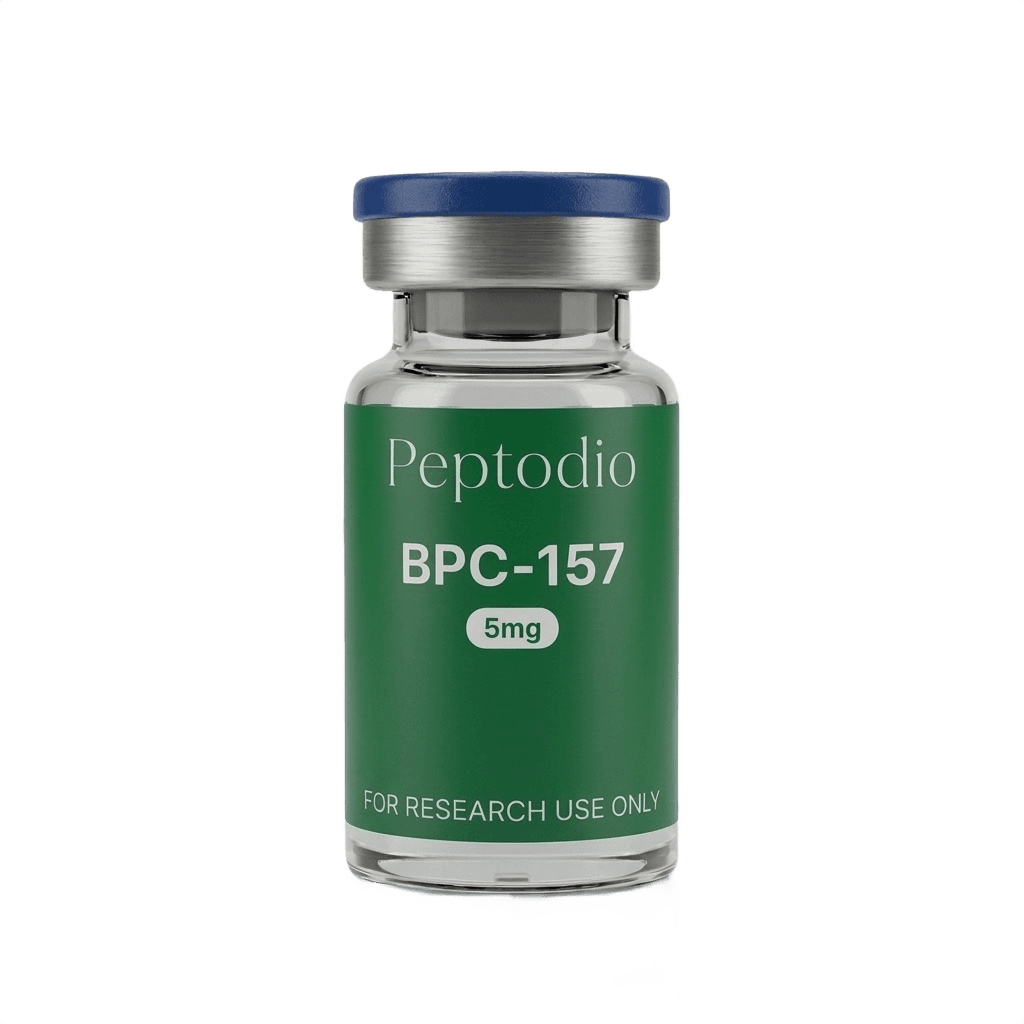
Got a similar experience or a different outcome? We'd actually love to hear about it - real data points help everyone. Drop us a line through the contact page.
Disclaimer: This is one person's experience, not medical advice. GHK-Cu is sold for research purposes. Consult with healthcare professionals regarding any health decisions.