What is TB-500?
TB-500 is a synthetic peptide representing the active region of Thymosin Beta-4 (Tβ4), a naturally occurring 43-amino acid protein found in virtually all human and animal cells. TB-500 consists of the 17-amino acid sequence (amino acids 17-23) responsible for the actin-binding and cell migration properties of the full Thymosin Beta-4 protein.
First identified in the thymus gland, Thymosin Beta-4 has since been recognized as a ubiquitous intracellular protein with significant roles in tissue repair, cell migration, and anti-inflammatory processes.
Understanding Thymosin Beta-4
Natural Occurrence
Thymosin Beta-4 is found throughout the body:
When tissue damage occurs, platelets release Thymosin Beta-4 at the injury site, initiating repair cascades.
TB-500 vs Full Thymosin Beta-4
| Property | TB-500 | Full Tβ4 |
|---|---|---|
| Amino Acids | 17 (active fragment) | 43 (full protein) |
| Contains Active Region | Yes (aa 17-23) | Yes |
| Cell Migration | Active | Active |
| Actin Binding | Active | Active |
| Molecular Weight | ~1,850 Da | ~4,963 Da |
| Research Use | Common | Less common |
TB-500 retains the key functional properties while being easier to synthesize and handle.
Mechanism of Action
Actin Sequestration
TB-500's primary mechanism involves interaction with actin:
G-Actin Binding:
Significance:
Cell Migration Promotion
TB-500 enhances cell migration through:
Cytoskeletal Reorganization:
Cell Types Affected:
Anti-Inflammatory Properties
Research has documented anti-inflammatory effects:
Angiogenesis
TB-500 promotes new blood vessel formation:
Peptide Profile
| Property | Details |
|---|---|
| Full Name | TB-500 (Thymosin Beta-4 Fragment) |
| Sequence | Ac-SDKPDMAEIEKFDKSKLKKTETQEKNPLPSKETIEQEKQAGES |
| Active Region | LKKTETQ (amino acids 17-23) |
| Molecular Weight | ~1,850 g/mol |
| Purity | 99%+ (HPLC verified) |
| Form | Lyophilized powder |
| Solubility | Water, bacteriostatic water |
Research Applications
Musculoskeletal Research
Muscle Injury Models:
Tendon Research:
Ligament Studies:
Cardiovascular Research
Cardiac Applications:
Vascular Studies:
Dermal Research
Wound Healing:
Skin Biology:
Neurological Research
Nerve Injury:
TB-500 vs BPC-157: Research Comparison
Both peptides are studied for healing properties but differ significantly:
Mechanism Differences
| Aspect | TB-500 | BPC-157 |
|---|---|---|
| Primary Mechanism | Actin sequestration | Multi-pathway (NO, GF) |
| Cell Migration | Direct promotion | Growth factor mediated |
| Origin | Thymus protein fragment | Gastric juice protein |
| Receptor Target | Actin binding | Multiple pathways |
| Stability | Standard | Acid-stable |
Research Focus
TB-500 Strengths:
BPC-157 Strengths:
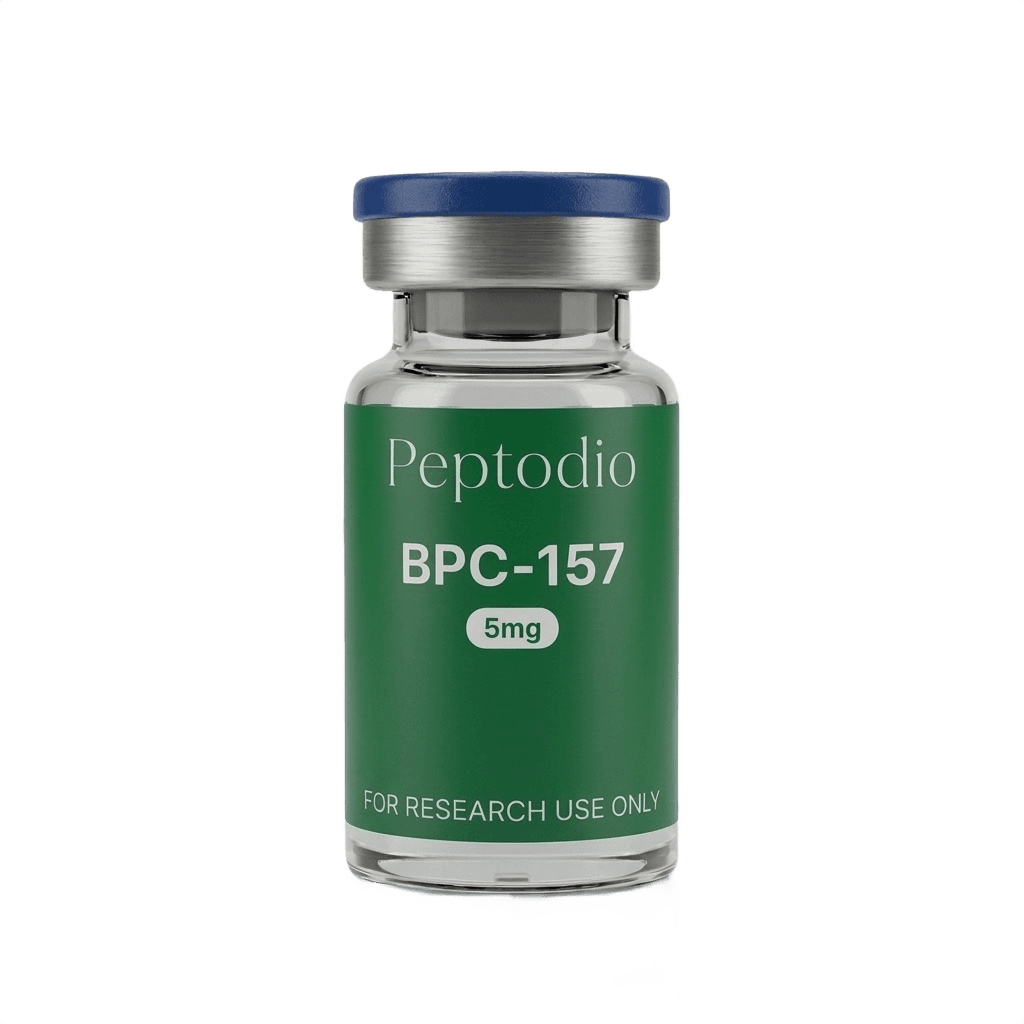
Read our complete BPC-157 guide for detailed comparison.
Combination Research
Some researchers study both peptides together:
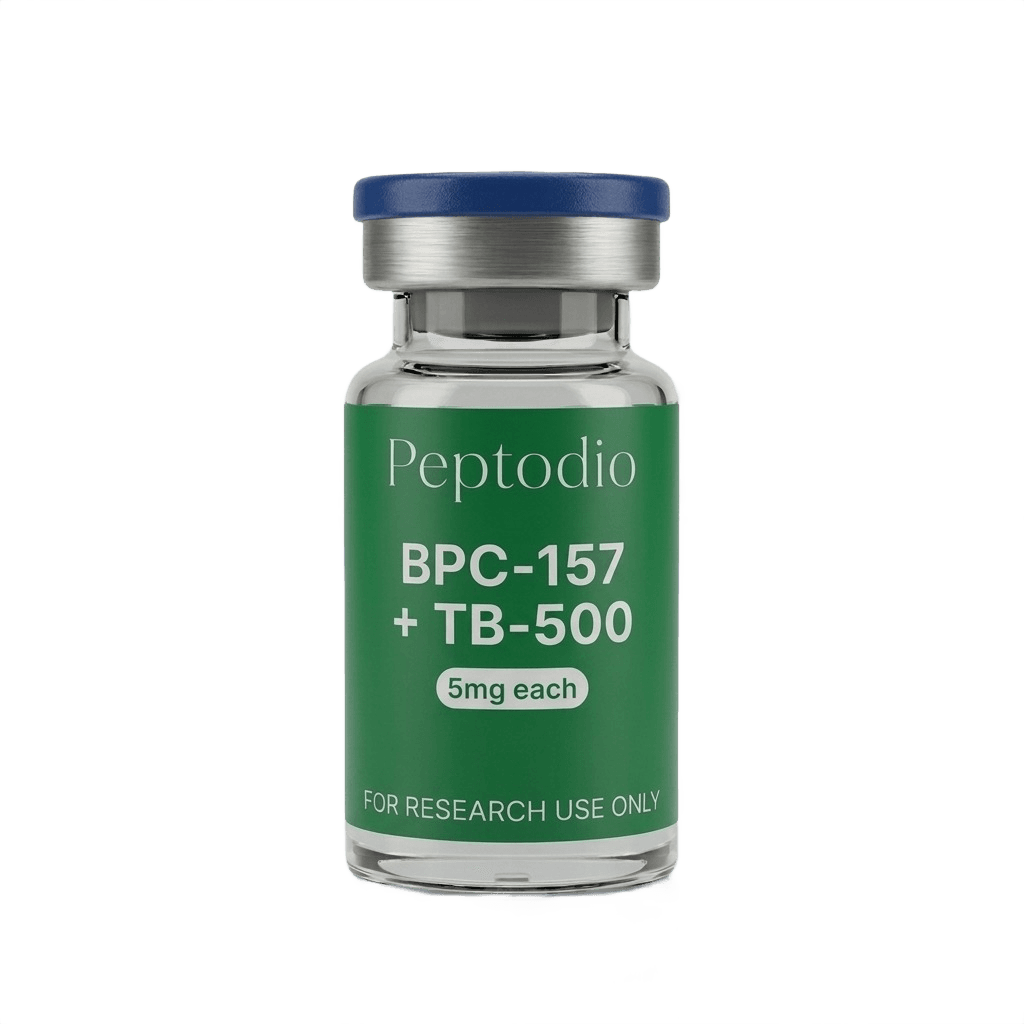
Explore our BPC-TB Stack for combination research.
Dosage Protocols in Research
Reconstitution
TB-500 requires reconstitution from lyophilized form:
Standard Protocol:
| Vial Size | Bacteriostatic Water | Concentration |
|---|---|---|
| 2mg | 1ml | 2mg/ml (2000mcg/ml) |
| 5mg | 2ml | 2.5mg/ml (2500mcg/ml) |
Procedure:
Use our peptide calculator for precise calculations.
Research Dosing Ranges
Published literature describes various protocols:
Loading Phase (Common in Literature):
Maintenance Phase:
Specific protocols should be determined by research design and institutional guidelines.
Storage Guidelines
Lyophilized Form
Optimal Storage:
Avoid:
Reconstituted Solution
Requirements:
For complete protocols, see our storage guide.
Safety Profile in Research
Animal Study Observations
Thymosin Beta-4 and TB-500 research has documented:
General Findings:
Specific Observations:
Research Considerations
Important Notes:
Regulatory Status
Quality Considerations
Selecting Research-Grade TB-500
Essential Markers:
Equipment Needed
Browse our research supplies.
Frequently Asked Questions
What is the difference between TB-500 and Thymosin Beta-4?
TB-500 is a synthetic fragment of Thymosin Beta-4, containing the active region (amino acids 17-23) responsible for actin binding and cell migration. Full Thymosin Beta-4 is the complete 43-amino acid protein. TB-500 retains key biological activity while being more practical for research use.
How does TB-500 promote healing?
TB-500 works primarily through actin sequestration, creating pools of available actin for cytoskeleton reorganization. This enables cell migration to injury sites. It also promotes angiogenesis (new blood vessel formation), reduces inflammation, and supports various regenerative processes.
Can TB-500 be combined with BPC-157?
Research examining both peptides is ongoing. They work through different mechanisms—TB-500 via actin binding and BPC-157 through multiple pathways including nitric oxide modulation. Some researchers study them together to investigate potentially complementary effects. See our BPC-157 guide for comparison.
What is the proper storage for TB-500?
Lyophilized TB-500 should be stored at -20°C for maximum stability (2+ years). Once reconstituted with bacteriostatic water, refrigerate at 2-8°C and use within 4-6 weeks. Never freeze reconstituted solution. Protect from light and humidity.
Is TB-500 banned in sports?
Yes. TB-500 and Thymosin Beta-4 are prohibited by WADA under category S2 (Peptide Hormones, Growth Factors, Related Substances). This applies to competitive athletes. For research purposes, TB-500 remains widely available.
How quickly does TB-500 dissolve during reconstitution?
TB-500 typically dissolves readily, usually within 1-2 minutes when reconstituted properly. Add bacteriostatic water slowly along the vial wall and allow natural dissolution. Avoid shaking—gentle swirling is acceptable if needed.
Related Resources
Expand your research knowledge:
Conclusion
TB-500 provides researchers with a valuable tool for studying tissue repair, cell migration, and regenerative processes. Its well-characterized mechanism—centered on actin sequestration and cell motility—offers insights into fundamental healing biology.
Whether studying musculoskeletal injury, cardiovascular repair, or wound healing, TB-500's consistent effects in animal models have made it a staple in regenerative research. Proper handling, quality sourcing, and rigorous documentation ensure valid experimental outcomes.
Explore our full range of recovery peptides to support your research.
This article is for informational purposes only. TB-500 is sold for research purposes and is not intended for human consumption. All research should be conducted in accordance with applicable regulations.