You Bought Peptides. Now What?
So you've got a vial of lyophilized powder sitting in front of you. Maybe it's BPC-157, maybe it's retatrutide, maybe it's a GHK-Cu blend. The vial looks intimidating. The math seems confusing. You're worried about messing it up.
Good news: this isn't complicated once you understand the basics. Let's break it down.
The Core Concept
Reconstitution is just adding liquid to powder to create an injectable solution. That's it.
The "hard part" is figuring out how much liquid to add so that each unit on your syringe equals a convenient dose. But even that becomes simple once you see the pattern.
What You Need
Before starting, gather:
Why bacteriostatic water? It contains 0.9% benzyl alcohol which prevents bacterial growth. This lets your reconstituted peptide last weeks instead of days. Regular sterile water has no preservative - use it only if you're using the entire vial immediately.
Check our bacteriostatic water guide for more details.
The Universal Formula
Here's the math that works for any peptide:
Concentration (mcg per unit) = Total peptide (mcg) ÷ Total units of water added
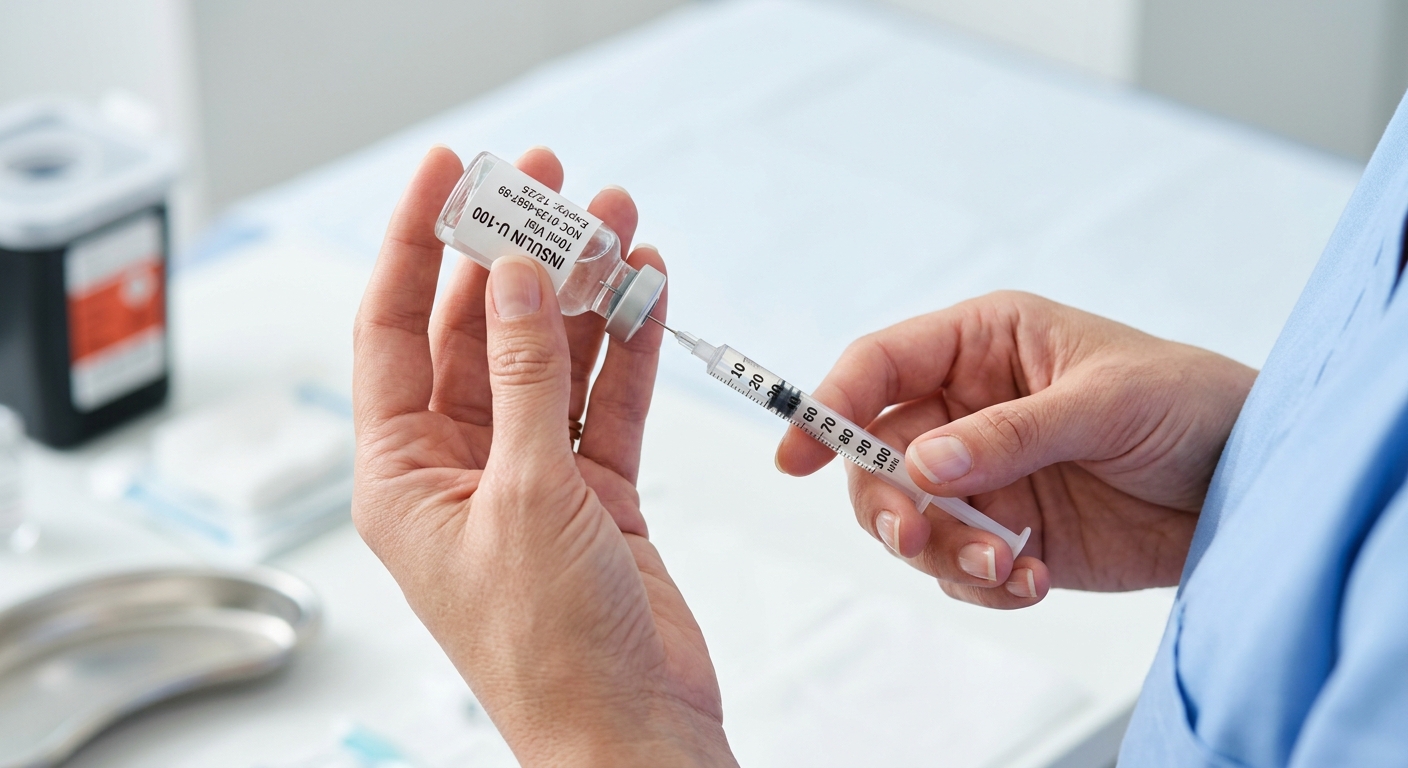
An insulin syringe has 100 units per 1ml. So:
Example: 5mg BPC-157 vial
Example: 10mg semaglutide vial
See the pattern? More water = lower concentration = more units per dose. Less water = higher concentration = fewer units per dose.
Use our peptide calculator to do this math automatically.
Step-by-Step Reconstitution
Step 1: Prep your workspace
Clean surface, alcohol swabs ready, hands washed. Don't skip this.
Step 2: Clean the vial tops
Wipe the rubber stopper of your peptide vial AND your BAC water vial with alcohol swabs. Let dry for 10 seconds.
Step 3: Draw bacteriostatic water
Using an insulin syringe, draw your chosen amount of BAC water. For most peptides, 1-2ml works well.
Step 4: Add water slowly
Insert needle into the peptide vial. Aim the stream at the glass wall, not directly at the powder. Let the water run down the side gently.
Step 5: Let it dissolve
Don't shake. Don't swirl aggressively. Just let it sit for a few minutes. You can gently roll the vial between your palms if needed. The powder should dissolve completely - no visible particles.
Step 6: Store properly
Refrigerate at 2-8°C (36-46°F). Reconstituted peptides typically last 4-6 weeks refrigerated with BAC water.
For the full breakdown, see our reconstitution guide.
Common Peptides: Quick Reference
Here are practical reconstitution examples for peptides we see asked about most:
BPC-157 (typically 5mg vials)
Standard approach:
Why this works: 2ml gives you convenient math and enough volume for the vial to last a reasonable time at typical doses.
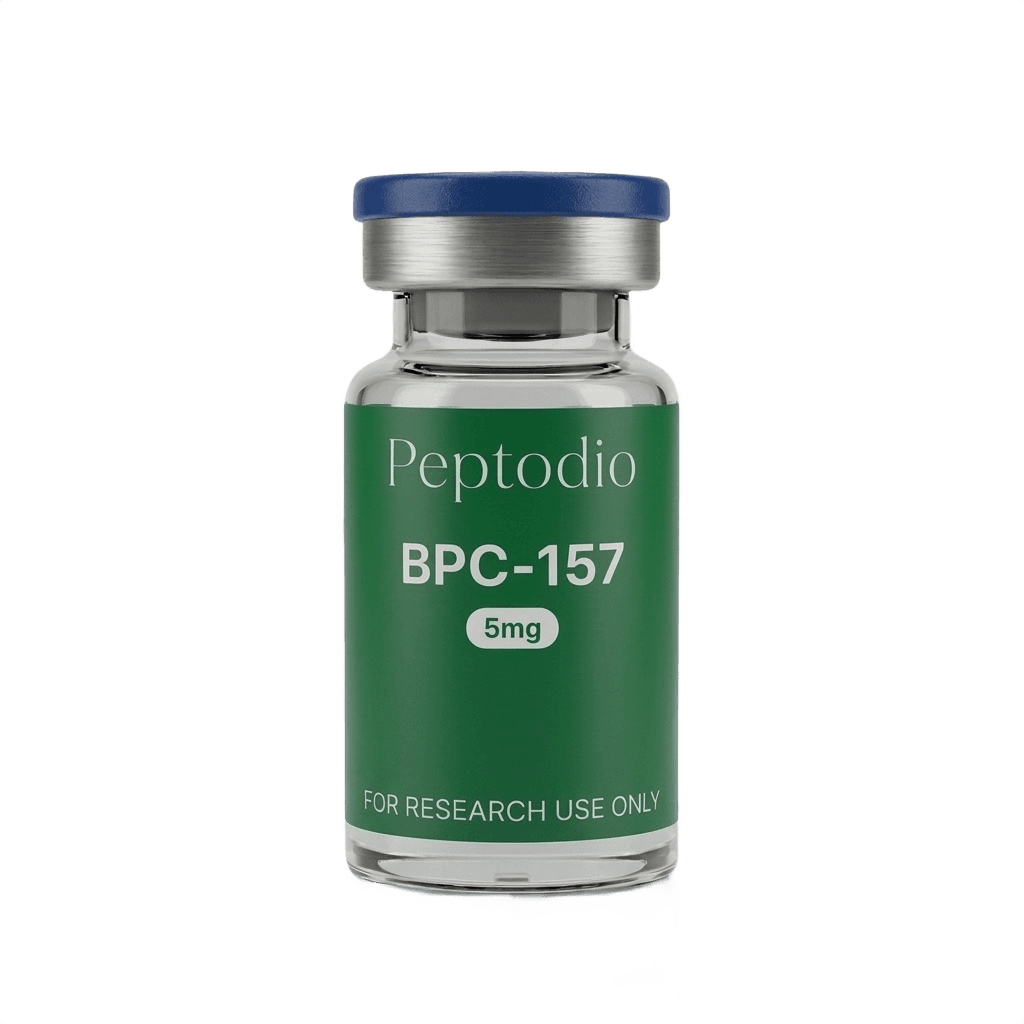
BPC-157
5mg • 99%+ Purity
$34.99
In Stock
GHK-Cu (often 50mg vials or in blends)
GHK-Cu is commonly used at higher doses than most peptides.
For a 50mg vial:
For a 10mg/50mg BPC-157/GHK-Cu blend:
This is where people get confused. You have two peptides in one vial.
If it's 10mg BPC-157 + 50mg GHK-Cu:
The ratio is fixed by the blend. You're dosing both simultaneously. Check our GHK-Cu guide for typical protocols.
Retatrutide (typically 5mg, 10mg, or 12mg vials)
For a 12mg vial:
For a 5mg vial:
Retatrutide is a GLP-1/GIP/glucagon triple agonist. Start low and titrate up slowly - it's potent. See our retatrutide guide.
Semaglutide (typically 5mg or 10mg vials)
For a 5mg vial:
For a 10mg vial:
Semaglutide dosing starts low and increases over weeks. Standard titration: 0.25mg (weeks 1-4) → 0.5mg (weeks 5-8) → maintenance. See our semaglutide guide.
CJC-1295/Ipamorelin (various configurations)
These often come pre-mixed or as separate vials. Common configurations:
2mg CJC-1295 / 2mg Ipamorelin blend:
5mg Ipamorelin (standalone):
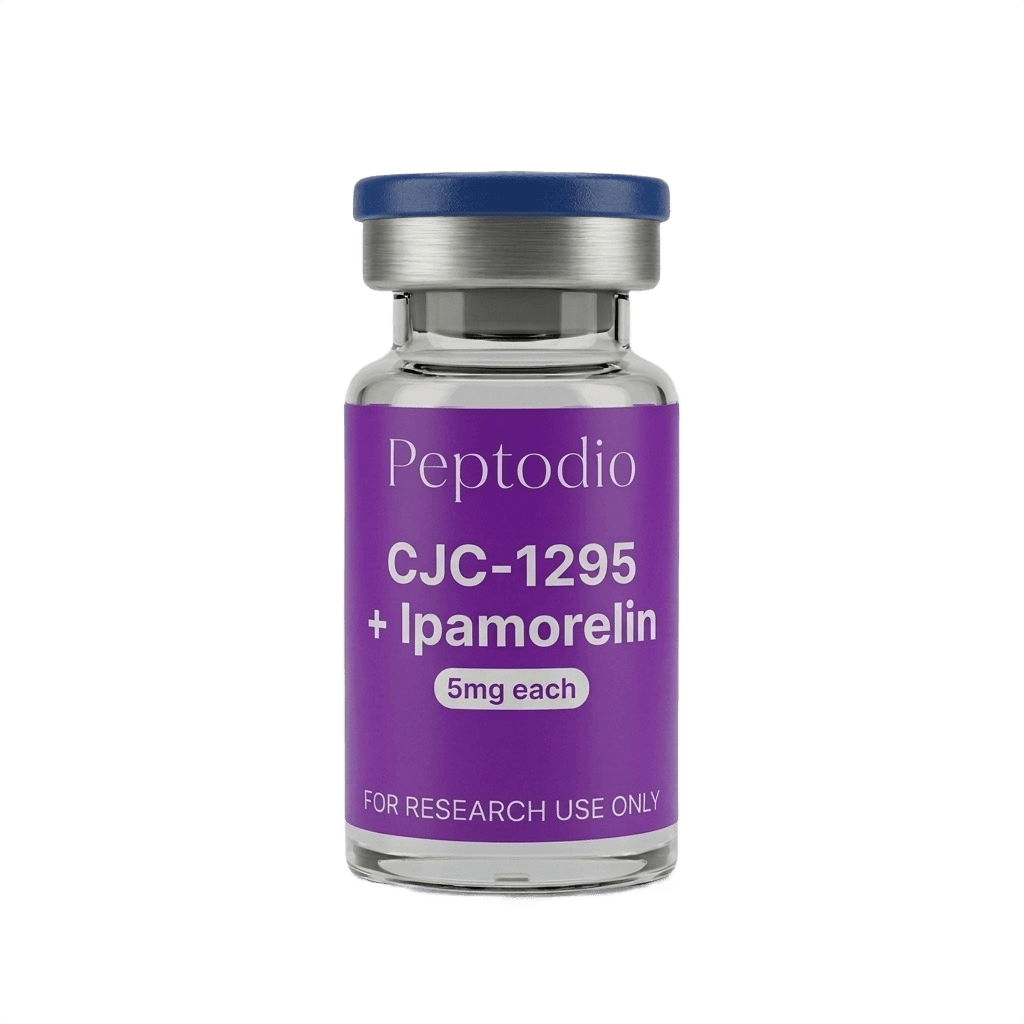
CJC-1295 + Ipamorelin
5mg each • 99%+ Purity
$54.99
In Stock
The Calculator Shortcut
Don't want to do math? Our peptide calculator handles this automatically:
Bookmark it. Use it every time until the math becomes second nature.
Common Mistakes to Avoid
Spraying water directly on powder
This can damage the peptide. Always aim at the vial wall and let water run down.
Shaking the vial
Peptides are fragile proteins. Aggressive shaking can denature them. Gentle rolling is fine.
Using too little water
Yes, you can technically reconstitute 5mg BPC in 0.5ml. But then each unit is 100mcg, and tiny measurement errors become big dosing errors. More water = more forgiveness.
Not refrigerating after reconstitution
Reconstituted peptides degrade at room temperature. Refrigerate immediately after mixing.
Using sterile water instead of BAC water
Sterile water has no preservative. Your peptide will start growing bacteria after a few days. BAC water gives you weeks of shelf life.
Drawing from the same spot repeatedly
Rotate where you insert the needle into the rubber stopper. Repeated punctures in the same spot can cause coring (rubber fragments in your solution).
Storage After Reconstitution
Refrigerated (2-8°C): 4-6 weeks for most peptides with BAC water
Room temperature: Don't. Seriously, just refrigerate it.
Frozen: Mixed opinions. Some peptides tolerate freezing, others don't. Generally not recommended for reconstituted solutions.
Light exposure: Keep in original vial (usually amber) or wrap in foil. UV degrades peptides.
See our full storage guide for detailed protocols.
Reading Your Syringe
Insulin syringes are marked in "units" - 100 units = 1ml.
1ml syringe (100 units):
0.5ml syringe (50 units):
0.3ml syringe (30 units):
For most peptide dosing, 1ml syringes are ideal. 0.5ml syringes work too but fill up faster with larger doses.
Our insulin syringe guide covers this in detail.
When the Math Gets Weird
Sometimes you'll see unusual vial sizes or want non-standard concentrations. The formula always works:
Desired mcg per unit = Total mcg ÷ Total units of water
Rearranged to find water needed:
Water to add (units) = Total mcg ÷ Desired mcg per unit
Example: You have 15mg of peptide and want exactly 100mcg per unit.
The dosage planner can help you map out a full protocol with proper timing and amounts.
Quick Reference Card
| Peptide | Typical Vial | Add BAC Water | Result |
|---|---|---|---|
| BPC-157 | 5mg | 2ml | 25mcg/unit |
| TB-500 | 5mg | 2ml | 25mcg/unit |
| Semaglutide | 5mg | 2ml | 25mcg/unit |
| Retatrutide | 12mg | 1.2ml | 100mcg/unit |
| Ipamorelin | 5mg | 2ml | 25mcg/unit |
| GHK-Cu | 50mg | 2ml | 250mcg/unit |
| MT-II | 10mg | 2ml | 50mcg/unit |
These are suggestions, not rules. Adjust based on your dosing needs and preferences.
Reconstitution Essentials
View AllStart Simple
If this is your first reconstitution:
After a few times, this becomes automatic. Everyone's first reconstitution feels awkward. By the fifth, you won't think twice about it.
Still have questions? Check the [learning hub](/learn) for compound-specific guides, or reach out through the [contact page](/contact).
Disclaimer: This article is for informational purposes only. Peptides are sold for research purposes and are not intended for human consumption.