
What is Semaglutide?
Semaglutide is a glucagon-like peptide-1 (GLP-1) receptor agonist that has revolutionized metabolic research. Originally developed for type 2 diabetes management, semaglutide has become one of the most studied peptides for weight management research, with clinical trials demonstrating significant effects on body composition.
As a synthetic analog of human GLP-1, semaglutide mimics the effects of this naturally occurring hormone while offering enhanced stability and a longer half-life. This makes it particularly valuable for research applications requiring sustained activity.
How Semaglutide Works: The GLP-1 Mechanism
Understanding GLP-1 Signaling
GLP-1 is an incretin hormone produced by L-cells in the intestine in response to food intake. Under normal physiological conditions, GLP-1:
Semaglutide activates these same pathways but with approximately 94% structural homology to native GLP-1, modified specifically to resist degradation by dipeptidyl peptidase-4 (DPP-4) enzymes.
Molecular Modifications
The key modifications that give semaglutide its extended activity include:
These modifications allow for once-weekly administration in research protocols, compared to the minutes-long half-life of native GLP-1.
Clinical Research Findings
The STEP Trial Program
The Semaglutide Treatment Effect in People with obesity (STEP) trials represent the most comprehensive research program examining semaglutide's effects on weight. Key findings include:
STEP 1 Trial (2021)
STEP 2 Trial (2021)
STEP 3 Trial (2021)
STEP 4 Trial (2021)
Mechanism of Weight Loss
Research has identified several pathways through which semaglutide affects body weight:
Central Appetite Regulation
Peripheral Effects
Metabolic Adaptations
Dosage Protocols in Research
Standard Titration Schedule
Research protocols typically follow a gradual dose escalation to minimize gastrointestinal effects:
| Week | Dose | Frequency |
|---|---|---|
| 1-4 | 0.25mg | Once weekly |
| 5-8 | 0.5mg | Once weekly |
| 9-12 | 1.0mg | Once weekly |
| 13-16 | 1.7mg | Once weekly |
| 17+ | 2.4mg | Once weekly |
This 16-week titration allows for gradual receptor adaptation and improved tolerability in research subjects.
Reconstitution Guidelines
For researchers working with lyophilized semaglutide, proper reconstitution is essential for maintaining peptide integrity:
For detailed reconstitution instructions, refer to our complete reconstitution guide.
Storage and Stability
Temperature Requirements
Lyophilized (Powder Form)
Reconstituted Solution
For comprehensive storage guidelines, see our peptide storage guide.
Comparing GLP-1 Agonists
Semaglutide vs Other GLP-1 Peptides
| Peptide | Half-Life | Administration | Relative Potency |
|---|---|---|---|
| Native GLP-1 | 2-3 minutes | Continuous | 1x (baseline) |
| Liraglutide | 13 hours | Daily | ~2x |
| Semaglutide | 7 days | Weekly | ~10x |
| Tirzepatide | 5 days | Weekly | Dual GIP/GLP-1 |
Semaglutide's extended half-life and high receptor affinity contribute to its research utility and the significant effects observed in clinical trials.
Safety Profile in Research
Common Observations
Clinical trials have documented the following effects, primarily related to GLP-1's gastrointestinal activity:
Gastrointestinal (most common)
Other Reported Effects
Research Considerations
Researchers should note contraindications identified in clinical studies:
Research Applications
Metabolic Studies
Semaglutide is utilized in various research contexts:
Combination Research
Emerging research explores semaglutide in combination with:
Getting Started with Semaglutide Research
For researchers interested in incorporating semaglutide into their studies:
Consider using our Peptide Planner to identify if semaglutide aligns with your research goals.
Frequently Asked Questions
What makes semaglutide different from other weight loss peptides?
Semaglutide's unique molecular structure provides exceptional stability and a 7-day half-life, allowing for once-weekly administration. Its high potency at GLP-1 receptors and the extensive clinical trial data (STEP program) distinguish it from earlier generation GLP-1 agonists.
How should semaglutide be stored for research?
Lyophilized semaglutide should be stored at -20°C for long-term stability or 2-8°C for short-term storage. Once reconstituted, store at 2-8°C and use within 4-6 weeks. Never freeze reconstituted solutions.
What is the recommended titration schedule?
Research protocols typically start at 0.25mg weekly, increasing every 4 weeks through 0.5mg, 1.0mg, 1.7mg, and finally 2.4mg. This 16-week titration minimizes gastrointestinal effects while achieving target doses.
Can semaglutide be combined with other peptides?
Research examining combination protocols is ongoing. Any combination studies should be designed with appropriate controls and safety monitoring. Consult relevant literature and institutional guidelines.
How long do the effects of semaglutide last?
Given its 7-day half-life, semaglutide maintains therapeutic levels between weekly doses. Research indicates that metabolic benefits persist with continued administration but may reverse upon discontinuation, as demonstrated in STEP 4.
Conclusion
Semaglutide represents a significant advancement in metabolic peptide research, with robust clinical trial data supporting its effects on body weight and glycemic control. Its favorable pharmacokinetic profile, extensive safety data, and well-characterized mechanism make it a valuable tool for researchers studying obesity, diabetes, and metabolic regulation.
For researchers ready to begin working with semaglutide, use our dosing calculator to ensure accurate preparation.
Related Weight Loss Peptides
View All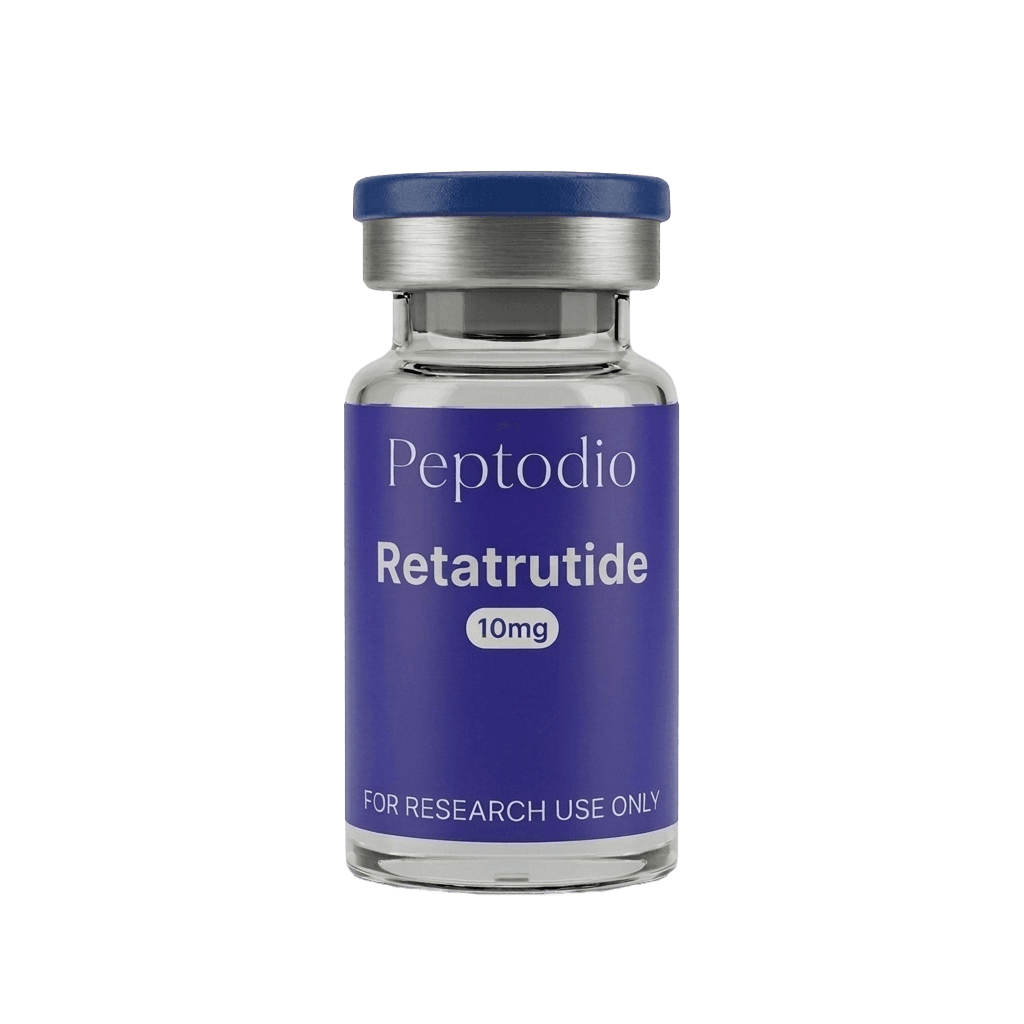
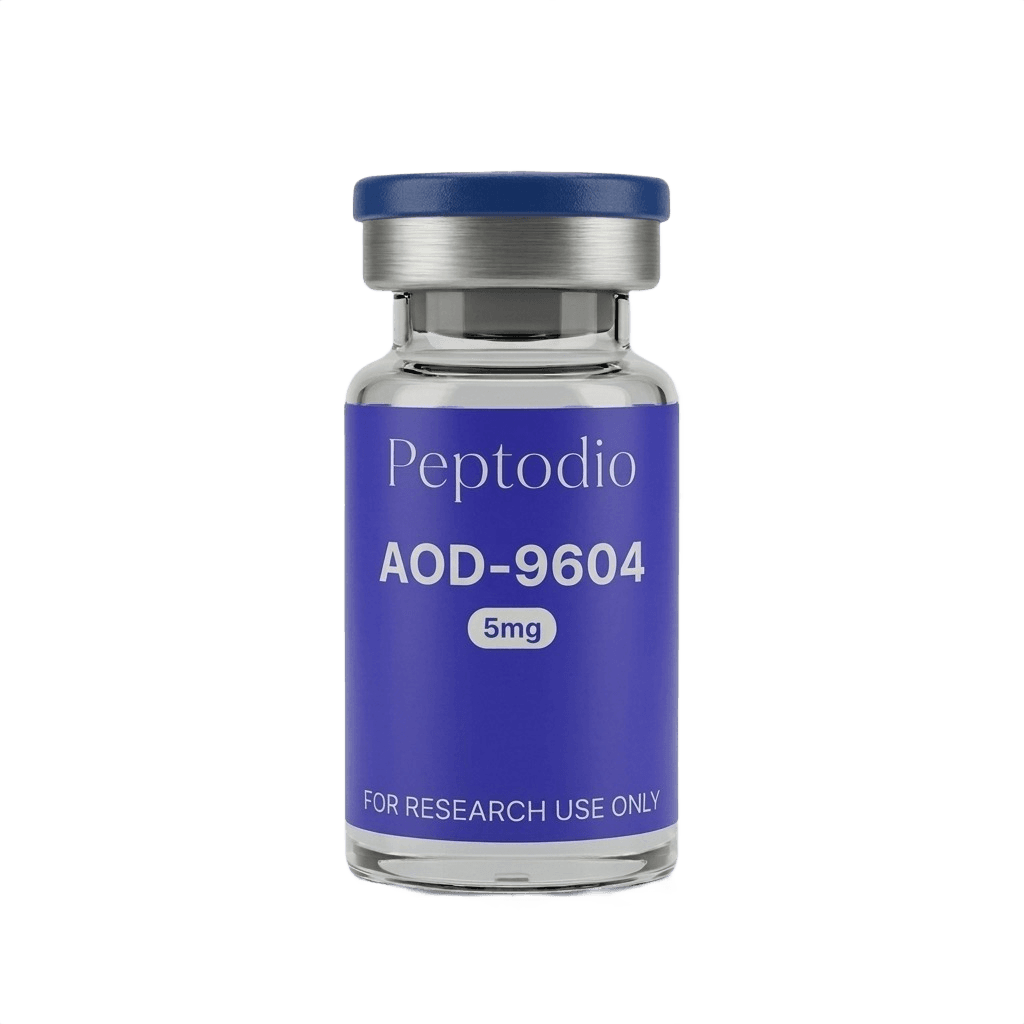
This article is for informational purposes only. Semaglutide is sold for research purposes and is not intended for human consumption. All research should be conducted in accordance with applicable regulations and institutional guidelines.