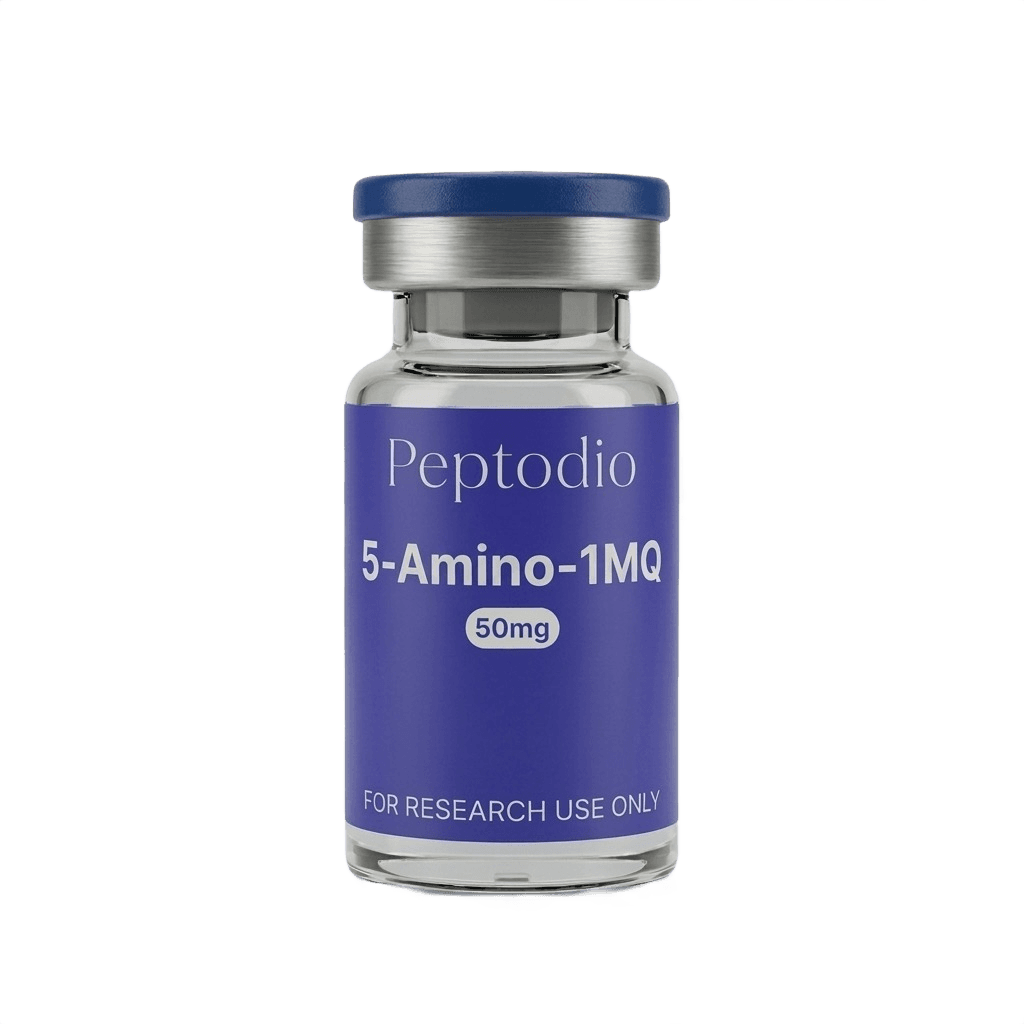
5-Amino-1MQ
50mg · 99%+ Purity
HPLC Tested
99%+ Purity
About Our Testing
Every batch is tested by our manufacturer using HPLC analysis. Per-batch third-party testing adds significant cost and delays that would be passed to customers.
Fast Shipping
Same-day dispatch
Description
BPC-157 + TB-500 stack combines two peptides researched for accelerated healing and tissue regeneration. BPC-157 has demonstrated significant gastroprotective and angiogenic effects, while TB-500 is studied for its role in actin regulation and wound repair. Each peptide is synthesized to high purity for reliable research outcomes.
Research Use Only: This product is intended for laboratory research purposes only. Not for human consumption.
Research & Science
Evidence-based information about this compound
Chemical Properties
CAS Number
42780-31-8
Molecular Formula
C10H11N2+
Molecular Weight
173.21 g/mol
Also known as:
5-Amino-1-methylquinolinium, NNMT Inhibitor
5-Amino-1MQ (5-Amino-1-Methylquinolinium) is a small molecule compound that acts as an inhibitor of nicotinamide N-methyltransferase (NNMT). NNMT is an enzyme involved in cellular metabolism that has been implicated in obesity, metabolic dysfunction, and certain cancers.
By inhibiting NNMT, 5-Amino-1MQ affects the metabolism of nicotinamide (vitamin B3) and influences cellular energy pathways including NAD+ metabolism. This mechanism has made it a subject of research for metabolic health applications.
Unlike many metabolic compounds, 5-Amino-1MQ targets a specific enzymatic pathway, offering a more targeted approach to metabolic research.
5-Amino-1MQ affects metabolism through NNMT inhibition:
- NNMT Inhibition: Blocks the enzyme that converts nicotinamide to N-methylnicotinamide.
- NAD+ Salvage: Preserves nicotinamide for NAD+ synthesis through the salvage pathway.
- Energy Metabolism: NAD+ is crucial for cellular energy production and metabolism.
- Fat Cell Effects: Research suggests effects on adipocyte metabolism and differentiation.
- SAM Conservation: Reduces consumption of S-adenosylmethionine, affecting methylation reactions.
5-Amino-1MQ has been studied for its metabolic effects:
- Fat Metabolism: Research shows effects on adipocyte function and fat accumulation.
- NAD+ Levels: May increase cellular NAD+ availability through salvage pathway preservation.
- Energy Expenditure: Studies suggest potential effects on metabolic rate.
- Muscle Effects: Research indicates possible benefits for muscle metabolism.
NNMT inhibition represents a novel target for metabolic health research.
Sources:
This information is provided for educational purposes only and is based on published scientific research. This product is intended for research use only.